

Editor’s Note: This interview first appeared in Path Finders, an email newsletter from the Daily Yonder. Each week, Path Finders features a Q&A with a rural thinker, creator, or doer. Like what you see here? You can join the mailing list at the bottom of this article and receive more conversations like this in your inbox each week.
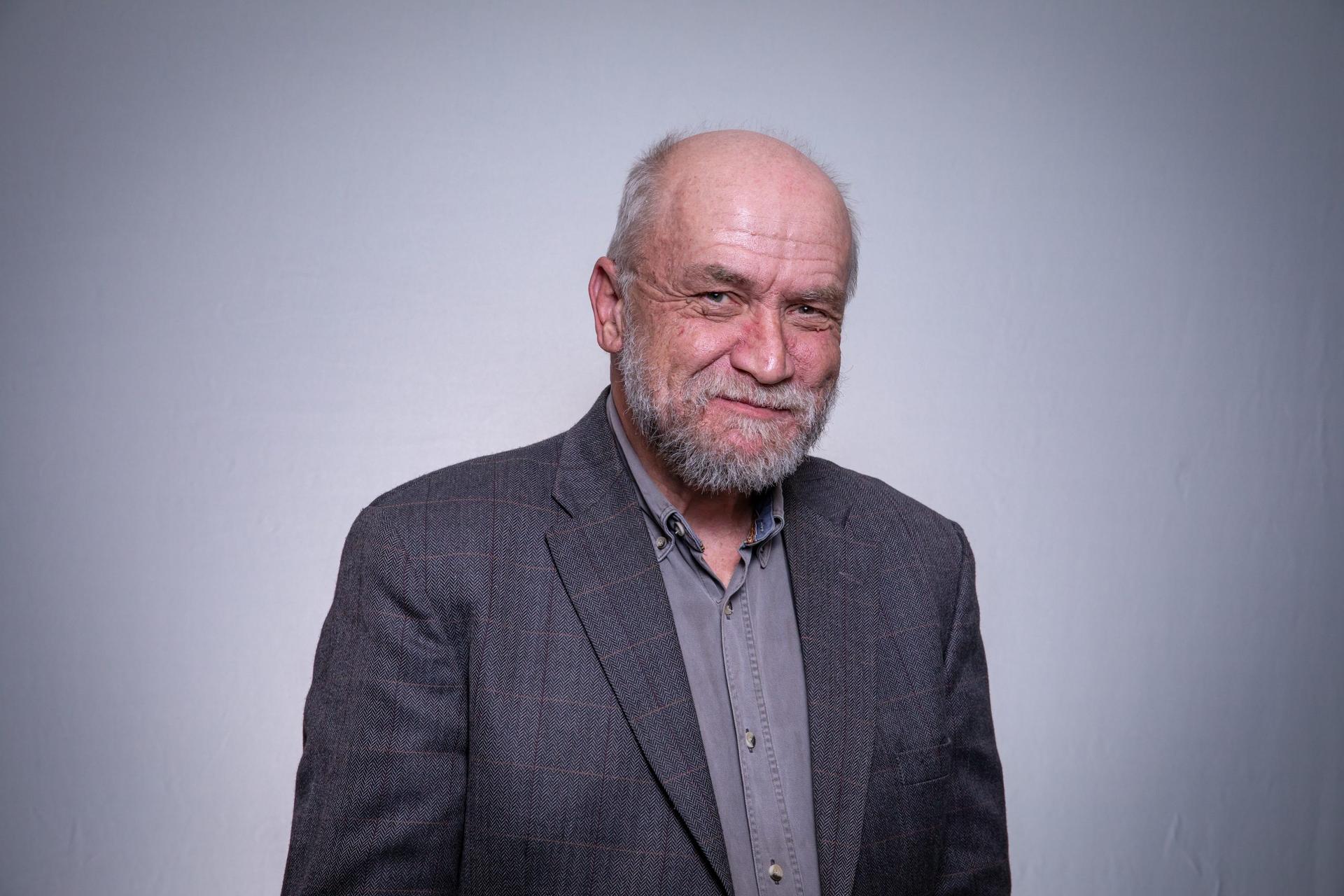
Jim Checkel grew up on a farm in Kasson, Minnesota, where he once dreamed of becoming a farmer. Instead, his path led him to Mayo Clinic, where he became a lead lab technologist. His rural upbringing, however, remained central to his work and shaped his research and teaching in rural medicine. Over his decades-long career, he has hosted more than 12,000 people at his farm and continues to develop a curriculum to train future rural healthcare providers and researchers, bringing his farming roots into thousands of lives and careers. I sat down with Jim to learn more about his path to Mayo Clinic and how his rural roots have touched thousands.
This conversation has been edited for length and clarity.
The Daily Yonder: You originally thought that you were going to spend your life farming in rural Minnesota, and instead you went on to become a lead lab technologist at Mayo Clinic. How did that path unfold?
Jim Checkel: My goal in life was to farm, but my father was very adamant that I should go to school. And one of the things that was available in the area was a vocational school that offered an auto mechanics class. I started working for a Dodge dealership in 1980 and about six weeks after I started for them, Chrysler filed for bankruptcy and I lost my job. So I was driving through my local town, and I saw some cars that said Mayo Clinic on them, and thought, “Huh, Mayo’s got cars, and they’ll need mechanics, so I’m going to go apply to work there.”
About a week later, I got a phone call from Mayo saying, “Have you ever been around animals?” And I grew up on a farm where we had all kinds of livestock. And when I told them yes, they said what they needed was someone to work in a lab that would do the things that nobody else in the lab would do or had time to do. I wanted a job so bad, I didn’t care what the job was. So I started working there and doing very basic things, but there wasn’t enough to do. So I started going around to other labs and just walking in and going, “Hey, what are you guys doing here?” And then I would watch them do certain procedures, start learning, and then asked if I could do the procedures myself.
After a year, I applied for an opening in the allergy lab and was questioned about procedures I said I could do, which my boss doubted until I admitted when I did not know something and said I was willing to learn. A few months in, I was put in charge of maintaining and repairing equipment despite having no background in it, so I figured it out as I went and learned what each machine did. I began suggesting and trying different methods, sharing what worked and staying quiet about what did not. When there still was not enough to do, I asked for more responsibility and was put in charge of developing a cell culturing lab, even though I knew nothing about growing cells and had to teach myself. Over time, I kept taking on new challenges and worked my way from an entry level position to lead technologist over about 30 years.
DY: When you first started working in the lab, it sounds like you didn’t have much of a science background. When was the turning point when you realized that your background in farming and growing up in Kasson was going to be such a strong asset to your work in these Mayo Clinic labs?
JC: It may sound odd, but a colleague from Japan once asked to visit my farm and try shooting a shotgun since he could not do that at home, so I invited him and his family, and soon others wondered why they had not been included. Around the same time, our lab was working on allergen extracts like ragweed, molds, and soybeans, so I began growing them on my parents’ farm to study them through different stages. It quickly became clear how useful this was, especially for colleagues with no agriculture background or those from other countries who had never even seen something like ragweed, since I could simply take them out and show them firsthand.
Pretty soon more and more people wanted to come out. So we started Farm Days. After I was selected as Dodge County Farm Bureau president, we began hosting kids for farm safety programs, and local groups started using the farm for events like a live nativity scene. Being located between two fairly large towns, the farm drew visitors from many areas for different activities. Since buying it in 1992, I have hosted over 12,000 people, which I think is pretty good.
DY: What did a typical Farm Day look like?
JC: Each late summer or fall, I would have people out on a Saturday with their kids, sometimes getting friends to help run tractors, supervise shooting, or manage other activities. It was not set on a fixed schedule and usually happened when enough people asked. Over time, I had visitors from 32 different countries and many major cities, and I liked creating a chance for people who knew nothing about agriculture to experience it while I learned about where they came from. I would tell visitors from other countries I was their American farmer, so if they later saw something like a shipment of soybeans, they could connect it to what they had seen growing, even if it was not actually from my farm. It at least gave them a sense of how crops grow and how they make their way to other countries.
DY: How does all of this tie into rural healthcare? How did Farm Days shape your work and Mayo Clinic’s approach to rural healthcare?
JC: About a year after I retired, I got a call from someone at Mayo Medical School saying they did not offer a class on rural medicine and were looking for someone to teach students about rural issues, including mechanical injuries and diseases related to farming. With my background in parasites, molds, white blood cells, and farm work, I said I thought I could do it, and they gave me about a year and a half to develop a program on my farm. Working with the Minnesota Farm Bureau, the Minnesota Foundation for Agriculture, and the Zumbro Valley Medical Association, we had the program up and running in about four months. This will be our third year bringing students out. I cover about 45 agriculture related topics, from power takeoff injuries to molds and animal related parasites, much of it based on what I learned at Mayo, and I am able to introduce it at a more scientific level. It is the highlight of my year. Students first visit the local ambulance service to hear how rural calls differ from city runs, then come to my farm for about two hours where I go through as much as I can, and then we go to the town hall where farmers and others talk about their experiences, including the ongoing rural mental health crisis.
One of the students I correspond with regularly had said that he had no interest in, or knowledge about rural, rural health issues. And now he’s seriously considering making that a career. So that’s a little bit of an impact.
Students often tell me later they had no idea how dangerous certain farm tasks were until they saw them firsthand. When they are in the emergency room and a patient comes in with a farm injury or an illness from handling animals or equipment, they can recognize it and understand what they are dealing with. I have seen cases where no one knew what an infection was until someone with farm experience identified it right away, like Orf (sore mouth disease) from sheep. That kind of knowledge is why I do this, so when students or staff hear about an injury involving machinery or something like hydraulic fluid exposure, they at least know what it is and what to expect.
DY: You sure wear a lot of hats, from farmer to teacher to researcher to advocate! When you think about the future of rural medicine and healthcare, what excites you most, and what needs the most attention?
JC: One of the things I am really excited about is broadband technology, because we have areas that do not have access, and that makes telemedicine difficult. So a lot of what we are focusing on is telecommunication and telemedicine, where people can have systems in their home for daily monitoring of things like blood pressure and diabetes, instead of having to drive miles to get care.
Another thing I am working a lot on is rural ambulance funding, which is appalling. We have areas in Minnesota that have lost their ambulances because there is no funding. I go to the state legislature and lobby a lot, and we are trying to make sure ambulances get reimbursed for long distance runs instead of just short local calls.
A big issue is that the hometown doctor is gone in many places, and now medical care is an hour or two away. So the question is how do you take care of people and make sure they get the care they need quickly in emergency situations.
I also encourage people to connect with FFA and 4H and get young people involved, because we are losing students in agriculture, agronomy, veterinary medicine, and related fields. People say kids do not even know where milk comes from, but that is my fault, not theirs. We need to do a better job of telling people where their food comes from. And do not be afraid to have people out to your farm or ranch and show them what is going on. It is not that hard. I learn more from the people who come to my place than I feel I teach them.

This interview first appeared in Path Finders, a weekly email newsletter from the Daily Yonder. Each Monday, Path Finders features a Q&A with a rural thinker, creator, or doer. Join the mailing list today, to have these illuminating conversations delivered straight to your inbox.