Listen Live

Listen Live

Blog
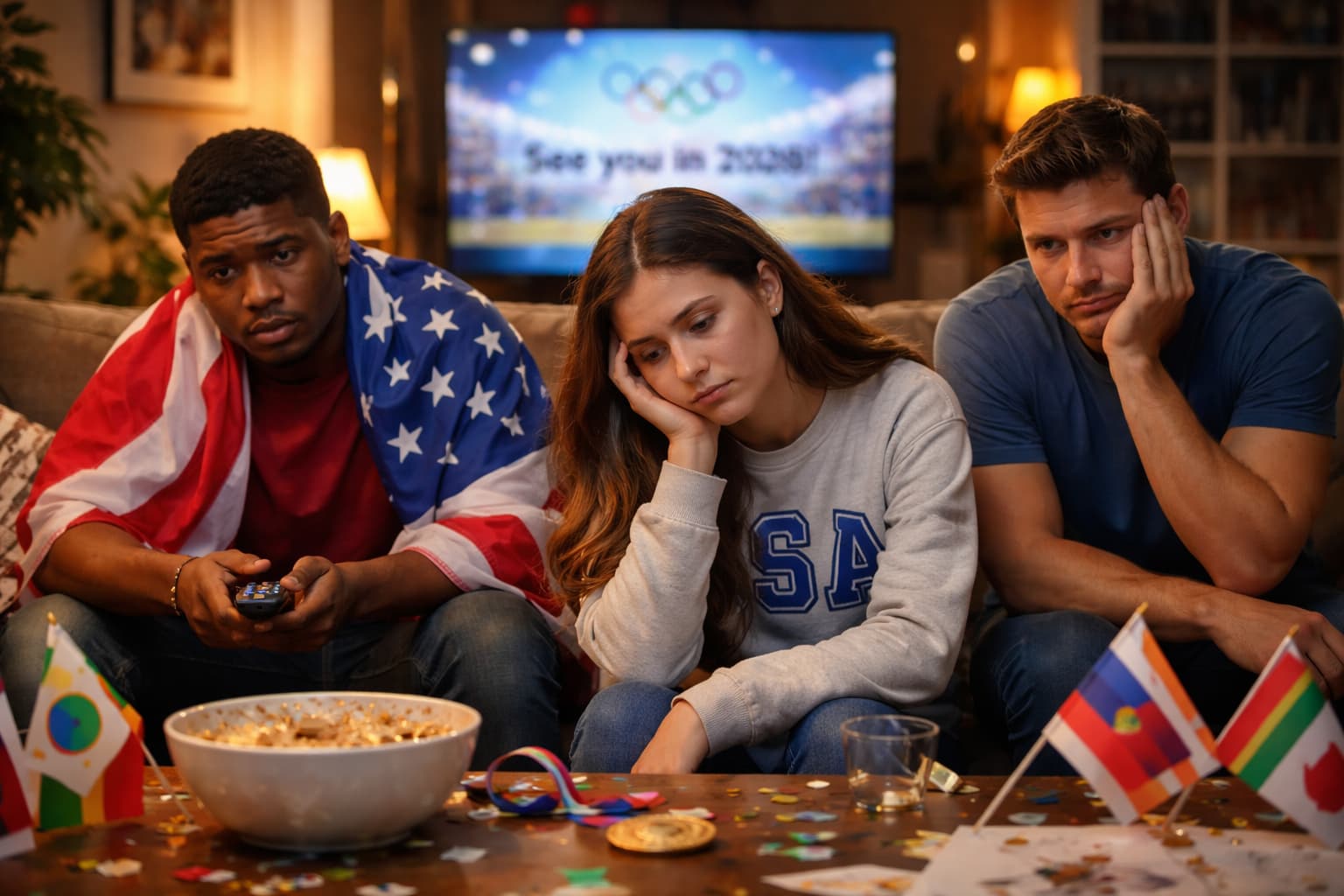


The last two weeks were so incredible. I had the pleasure of covering the games with twice-daily Olympic updates on our Civic Media radio stations. For most of us, the two weeks of the games are like a vacation. A break from the same-old routine, a break from our typical television viewing habits, and most importantly….a break from the polarization of society. For two weeks, nations came together in the name of sport. Blurring the lines that divide us. Not just internationally, but domestically as well. There was no division, no politics, no underlying agendas, no social barriers. Just the culmination of tons of hard work, and the joy of being recognized and rewarded for a job well done. But, now that the games are over, you might feel a sort-of emptiness inside. That’s the post-Olympic blues, and it’s a real thing. Here’s why many of us feel this way after the games have concluded.
The Olympics are intense. There are constant competitions, emotional stories, medal counts, and big moments every single day. Your brain loves that kind of excitement. It releases chemicals like dopamine — the “feel good” chemical — when something thrilling happens. When the Games end, that steady stream of excitement suddenly stops. It’s a bit like finishing a really great TV series. You go from daily drama and emotion… to nothing. That drop can feel surprisingly empty.
For two weeks, watching events might become part of your daily schedule:
When something becomes part of your routine, your brain expects it. Once it’s gone, you feel the gap. Humans like predictability. When a temporary routine disappears, it can feel like losing something familiar.
The Olympics create a strong sense of connection:
There’s a shared global energy. Even strangers feel united. When it ends, that shared experience fades. The group excitement quiets down. That sudden loss of connection can feel lonely.
The Olympics are full of powerful stories:
For a short time, it feels like anything is possible. Then normal life resumes — work, chores, stress, bills. The contrast between the inspiring Olympic world and everyday life can feel disappointing. It’s not that life is bad. It’s just less dramatic than the Olympics.
Any major event — holidays, weddings, vacations — can lead to a small emotional dip afterward. It’s a normal psychological pattern:
The bigger the buildup, the bigger the emotional drop afterward. The Olympics have years of buildup and global attention. That makes the emotional shift even stronger.
For most people, post-Olympics blues are mild and temporary. You might feel:
Usually, the feeling fades quickly as new routines and interests take over.
If you feel that letdown, here are simple ways to handle it:
Feeling a little sad when the Olympics end actually says something positive: you cared. You connected. You were inspired.
That emotional response means the Games did what they’re meant to do — bring people together and make us feel something bigger than ourselves.
And the best part? The next Olympics are always coming.

502 Oak St Suite 2A, Baraboo, WI 53913
Studio: (608) 355-9970 (text or call)
Office: (608) 356-3974
Sales : (262) 634-3311


